Article
Maximising Value and Minimising Costs: A Practical Guide to Choosing the Right Print Finishes
Choosing print finishes without overspending
A print finish should solve a practical problem or support the design. Start with how the item will be handled, how long it needs to last and which parts of the artwork need emphasis. If the finish does not improve the result, leaving it out can reduce both cost and production time.
Common finishing options
- Matt lamination: adds protection with a low-sheen surface and suits menus, covers and presentation material.
- Gloss lamination: adds protection and a reflective finish that can make photographs appear more saturated.
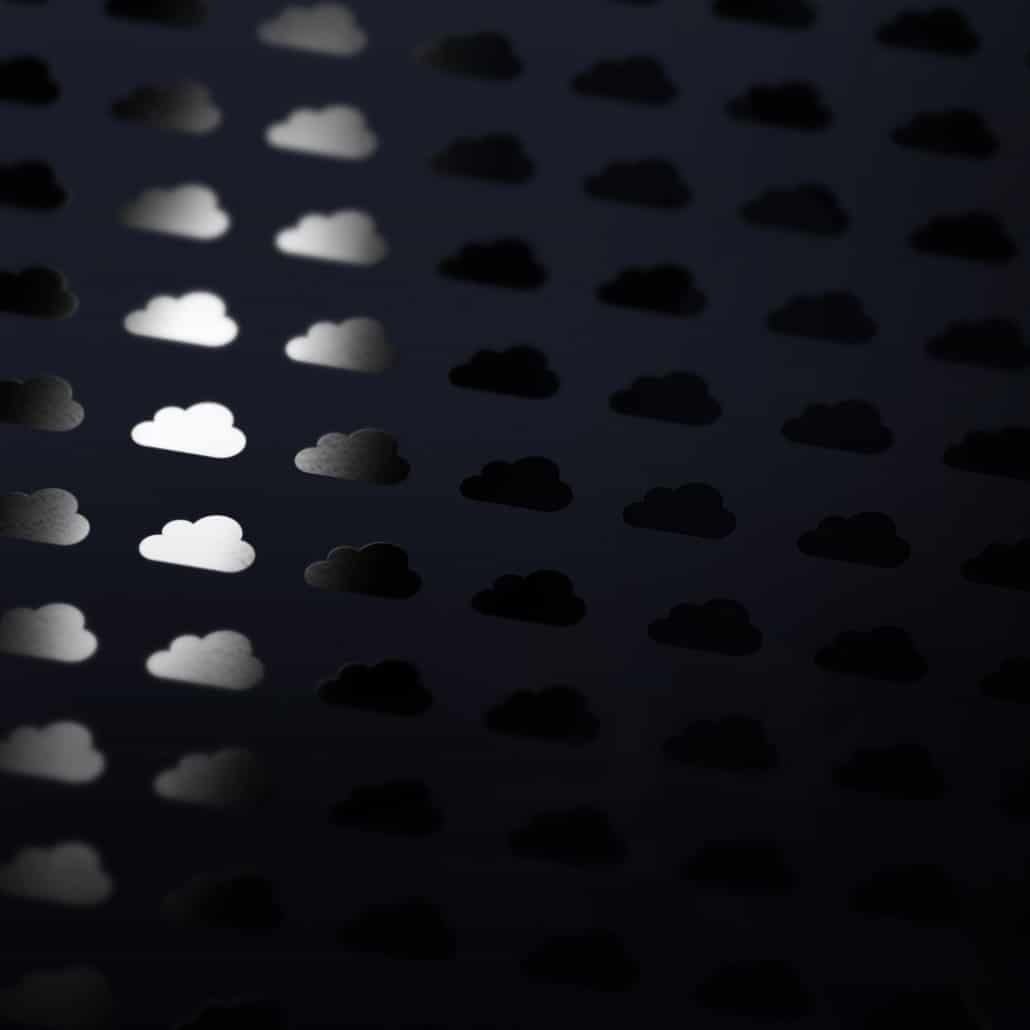
- Spot UV: adds a gloss effect to selected areas and is normally used for details such as a logo or short heading.
- Die cutting: creates a custom shape or cut-out where a standard rectangular trim is not suitable.
Match the finish to the job
Lamination can be useful when an item will be handled repeatedly, but it is unnecessary for many short-life leaflets. Spot UV and custom cutting add setup and production costs, so reserve them for designs where the effect has a clear purpose.
Ways to control cost
- Choose the material and finish before finalising the artwork.
- Use standard sizes where they meet the brief.
- Order a quantity based on likely use rather than an optimistic forecast.
- Ask whether a simpler stock or finish gives a similar result.
Ask us to compare options
Send us the artwork, quantity and intended use. We can compare suitable specifications and explain which finish is worth paying for before you order.